
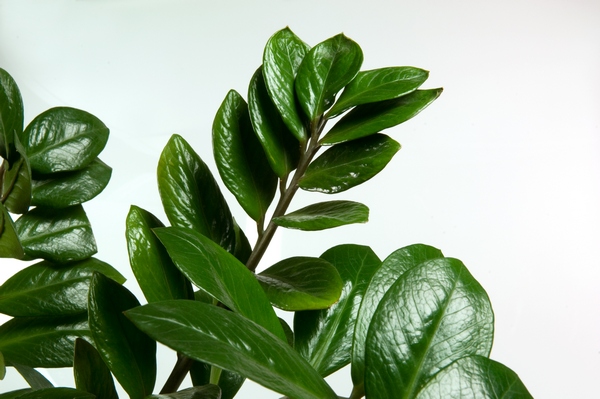
Zamioculcas is similar to the “Money Tree” and is therefore popularly called the “dollar tree”. The “Money Tree” increases the family’s income by attracting hryvnias, and the Zamioculcas, that is, the “Dollar Tree”, helps to earn and accumulate dollars.
Zamioculcas ( Zamioculcas zamiifolia) is a perennial plant from the aroid family, a close relative of monstera, dieffenbachia and calla lilies. In its natural environment, this plant can be seen in the East. Africa and Kenya.
For many lovers of indoor plants, zamioculcas has become a favorite house plant, and phytodesigners have fallen in love with it as a spectacular and unpretentious plant that is perfect for landscaping apartments and offices.
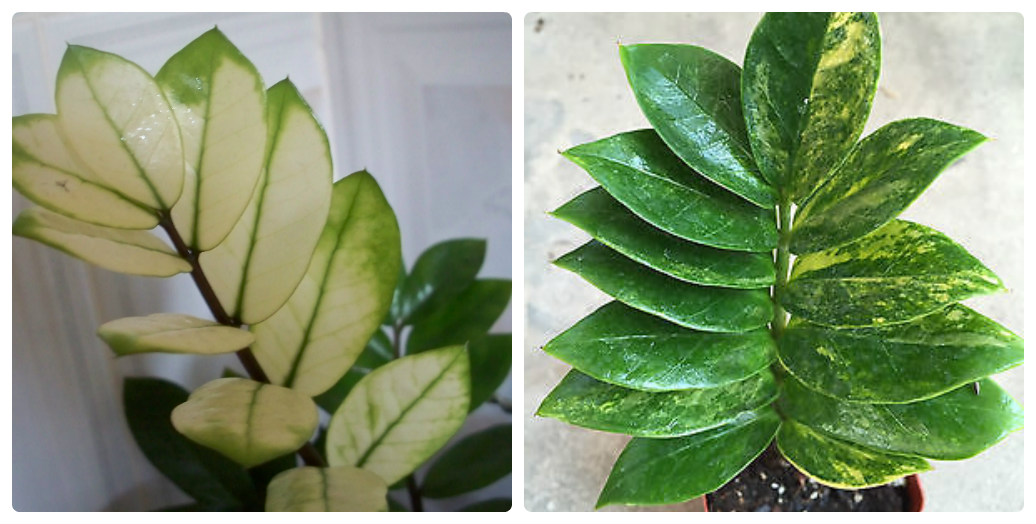
How to care for zamioculcus
Zamioculcas is an undemanding plant that is easy to care for. However, for its successful cultivation, some requirements must be met.
Light brightness for Zamioculcas
Zamioculcas is suitable for a place with bright diffused light, but not direct sunlight. In summer, this plant can be taken out into the fresh air in shady places.
Air temperature for Zamioculcas
Temperate, in summer up to 25 ° C , and in winter preferably 16-18 ° C, but not lower than 12 ° C.
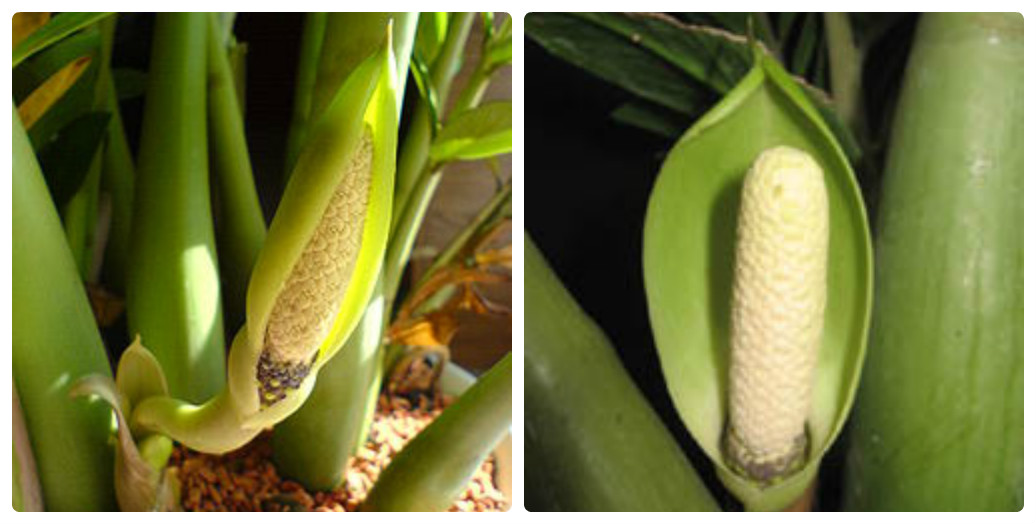
Watering and humidity for zamioculcas
Zamioculcas should be watered moderately from spring to autumn, but water should not accumulate on the pan, watering is reduced in winter, the soil should dry out well before the next watering. Zamioculcas tolerates short-term overdrying more easily than stagnant water in the soil – this can lead to root rot and the formation of stem rot. That is, it is necessary to water the zamioculcas as the earthen coma dries completely, and in winter no more than 1-2 times a month. Zamioculcas does not require spraying the leaves, but sometimes it is necessary to arrange ablution so that the plant does not pollinate and does not lose its attractiveness.
See also:ORCHIDS – ORCHID CARE
How and when to feed Zamioculcas
From April to August, we feed every 14 days with complex fertilizers for green plants. Zamioculcas absorbs and spends nutrients very quickly, it can also be fertilized with fertilizers for cacti and succulent plants.

How to transplant zamioculcas
Zamioculcas should be transplanted annually in the spring. The soil should be nutritious enough. For young plants, the soil should consist of 1 part of sod land, 1 part of leafy soil, 1 part of peat and 1 part of sand. You can add a little compost. Old zamioculcas are transplanted every two years in the spring.
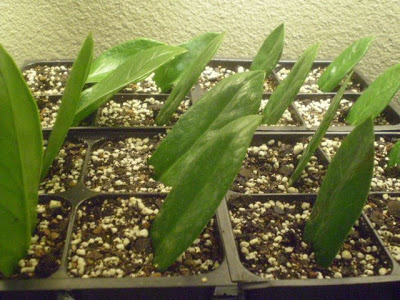
Reproduction of zamioculcas
This plant is propagated by dividing the bush, leaves, cuttings. It is better to dry the leaf a little before planting. Rooting can last up to 2 months.
Pests and diseases
Zamioculcas rarely gets sick. This is a very hardy plant, so sickfish can appear only with improper care.
The biggest mistake in caring for zamioculcas is overwatering. In this case, the roots begin to rot. If this happens, it is necessary to remove the plant from the pot, rinse the roots, cut off the rotten parts of the roots, sprinkle all sections with coal, dry and transplant into new soil, and water very rarely in the future.
Pests that threaten Zamioculcas: spider mites, scale insects, aphids.


