
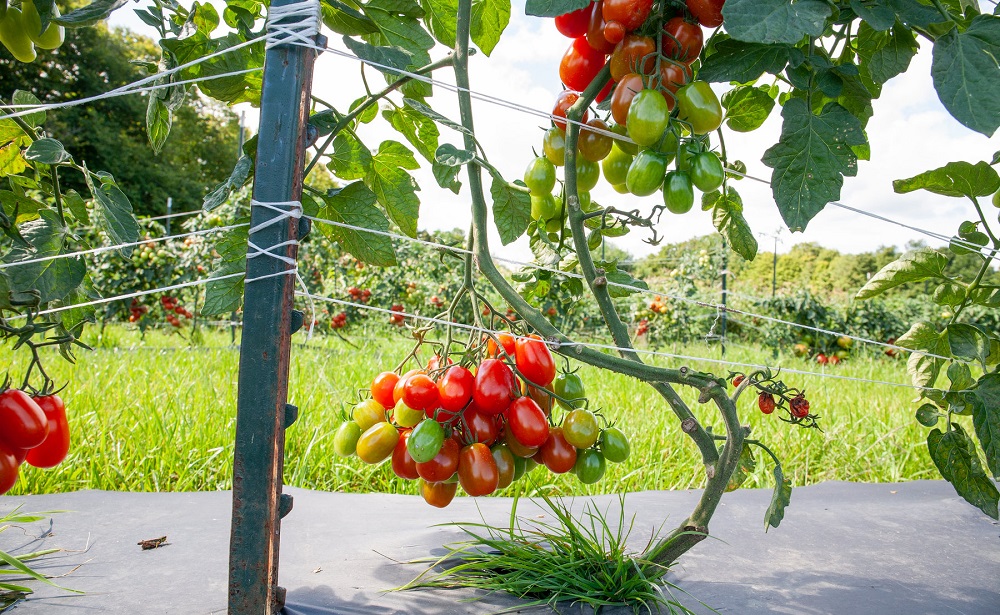
Growing tomatoes is not difficult, so you can safely plant this crop on your site, and we will help you with tips on how to properly care for them.
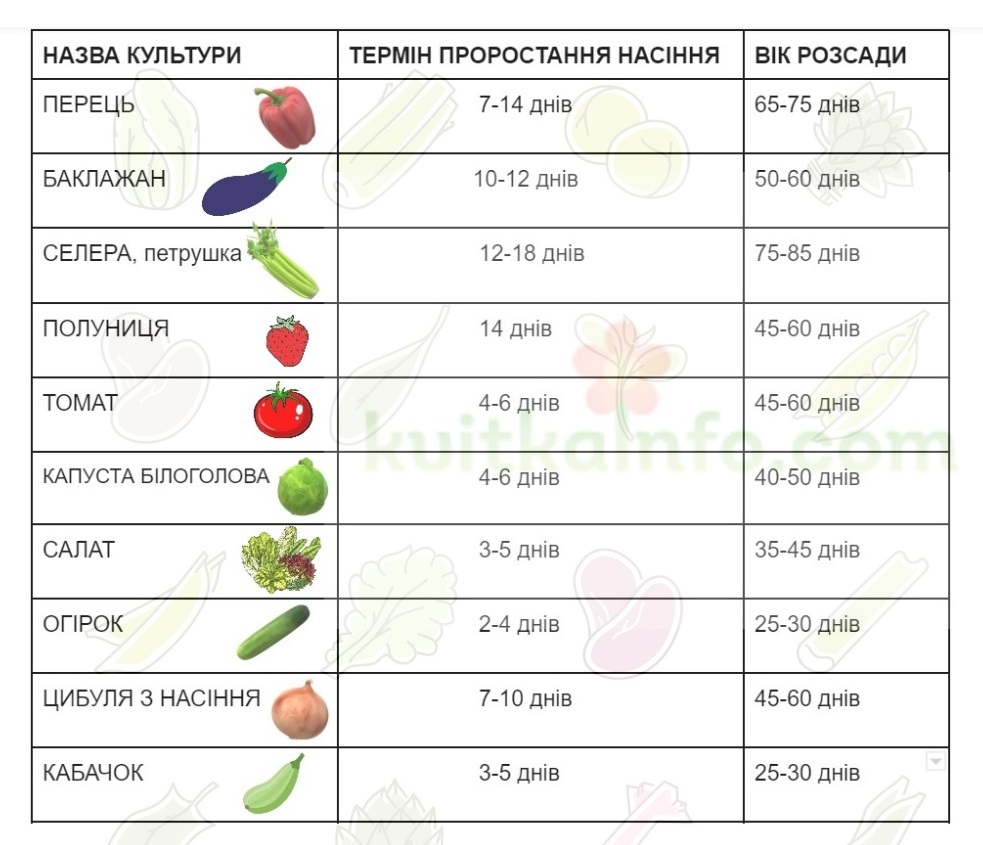
If you will grow tomatoes from seeds, then our articles describe in detail how to do this:
WHEN TO SOW TOMATOES (TOMATOES) FOR SEEDLINGS, CULTIVATION, CARE
In this article you will find information about growing tomatoes and caring for them.
Soil for tomatoes
The soil for growing tomatoes should be nutritious, so the site is prepared in advance – in the fall or a month before planting seedlings. Compost (humus), wood dust should be added to the soil.
How to plant tomato seedlings in the ground
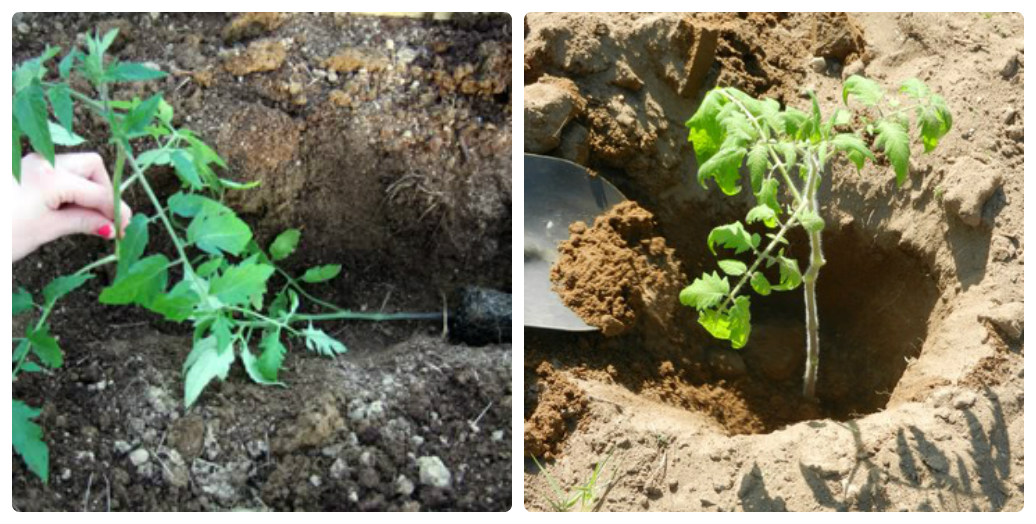
We plant tomato seedlings to a depth – to the first leaves ( very elongated seedlings – to the second and third leaves, carefully laying the stem in the planting hole ) – such planting contributes to an increased growth of the root system of the plant.
Pinching and shaping tomatoes (tomatoes)
In growing tomatoes, it is important to correctly form a bush, namely, pinch the stepchildren after the first laying of the flower brush, such pinching prevents stepchildren from breaking out in the future. When the tomatoes are set, you need to remove excess leaves, so that the sun falls on each tomato and is well ventilated. Such pruning reduces the risk of fungal diseases and allows you to get a more abundant and early harvest.
So only up to 10 upper leaves remain on the tomato plant, which are quite enough for photosynthesis and nutrition.
Don’t forget about the resistance
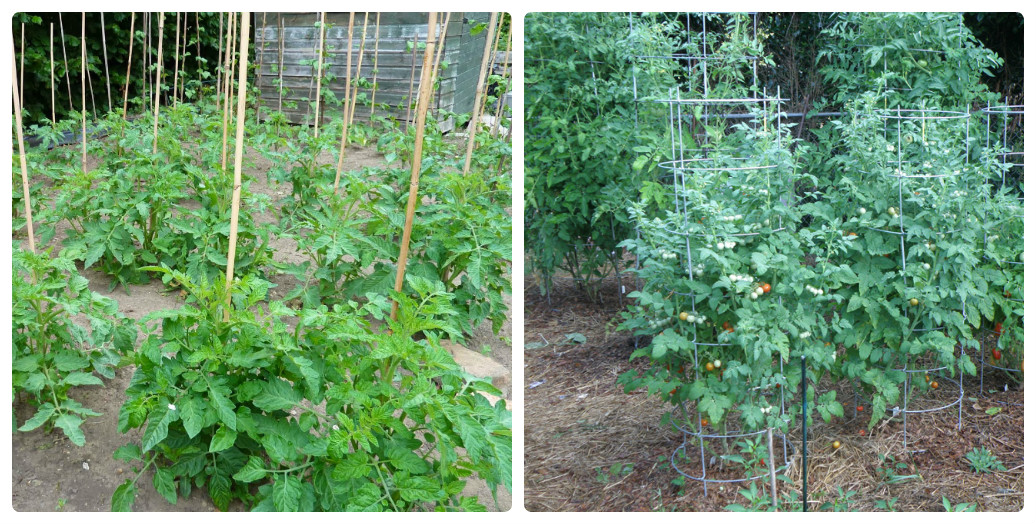
Light brightness and air temperature for growing tomatoes
For the development of tomatoes, an average daily temperature of +17 to +28 ° C is required. Direct sunlight is important for the formation of flowers during the flowering period, and at the stage of development and ripening of fruits, heat becomes more important for the tomato than direct sunlight.
Air humidity for tomatoes
Dry and fresh air around tomatoes is one of the main conditions for their cultivation and disease resistance. Be sure to ventilate the greenhouse with tomatoes on hot days, install fans if necessary.
Watering tomatoes (tomatoes)
Tomatoes love plentiful, but not very frequent watering at the root, if tomatoes grow in open ground, then you need to water in sunny, stable weather 1 time in 7 days. If the weather is wet or rain is expected, then you do not need to water them. Such watering helps the plant form a deep and branched root system. But excessive moisture leads to a watery taste of tomatoes, cracking and dropping of fruits, and tomatoes become more vulnerable to fungal diseases.
Fertilizer for tomatoes
To harvest a rich harvest, tomatoes need to be provided with all the necessary trace elements; From the period of picking seedlings to the beginning of flowering, tomatoes need top dressing with complex mineral fertilizer if the seedlings were planted in unfertilized soil. After the formation of the first fruits, start fertilizing the tomatoes with a special fertilizer for tomatoes (based on potassium).
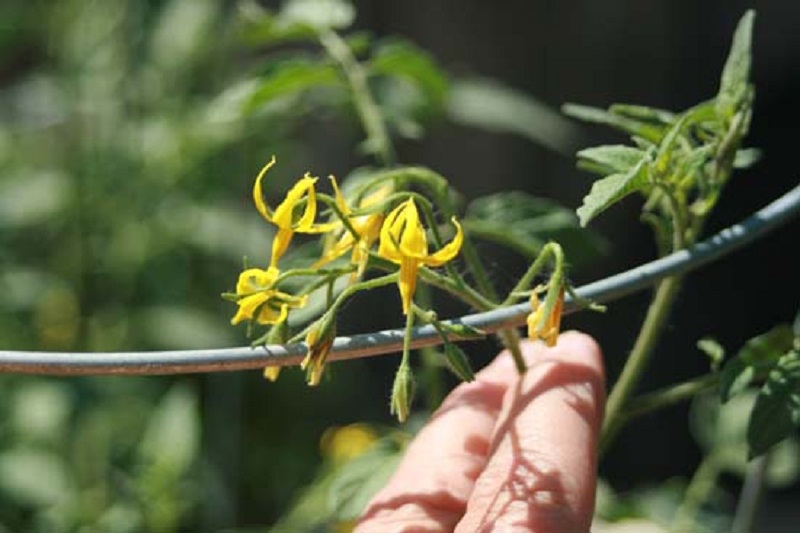
To improve the taste of the tomato, plant annual honey plants ( basil and marigolds) between them.
Pests and diseases of tomatoes
Tomato diseases are a big problem when growing them outdoors. The most common and dangerous diseases of tomatoes are: fungal infections, late blight, top rot, brown spot and tobacco mosaic.
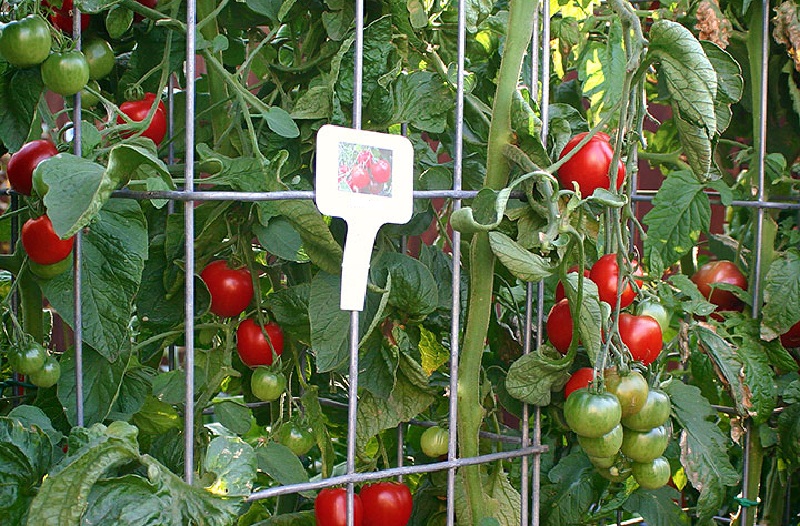
Щоб запобігти появі грибкових захворувань проводьте профілактику одразу піля цвітіння препаратами від фітофторозу по інструкції та дотрумуйтеся профілактичних правил.
- For the prevention of diseases, when growing tomatoes, it is recommended to adhere to the following rules:
- Use disease-resistant seeds.
- Pinching, shaping and pruning tomatoes should be done in dry weather so that the plants are dry.
- Uproot and destroy tomatoes affected by diseases and pests.
- Grow tomatoes in a greenhouse or greenhouse, not outdoors.
- Observe the alternation of vegetable crops, annually change the soil where you grow tomatoes.
- Never plant tomatoes next to potatoes.
- Weed the soil regularly between the tomato plants.
Tomato pests:
slugs and snails, caterpillars, Colorado potato beetle and woodlice.


