
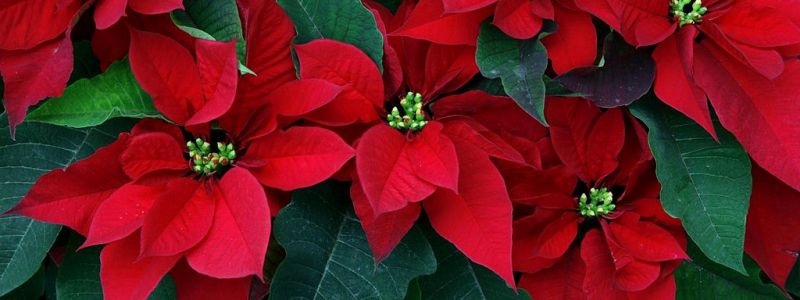
Poinsettia (Poinsettia ) is a bushy plant that belongs to the Euphorbiaceae family. The poinsettia is called the “Christmas tree” or “Christmas star”, because it blooms in winter, at Christmas.
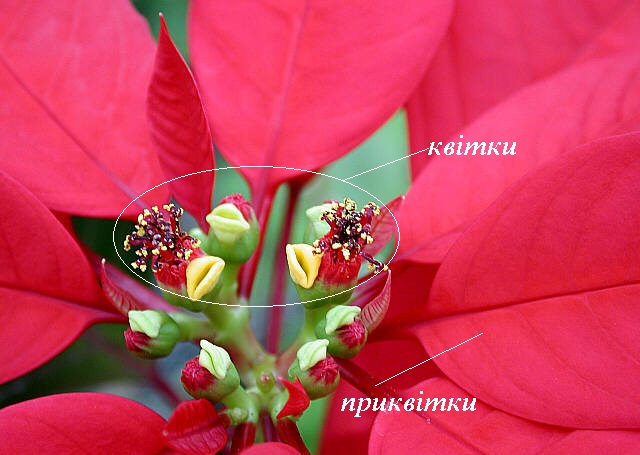
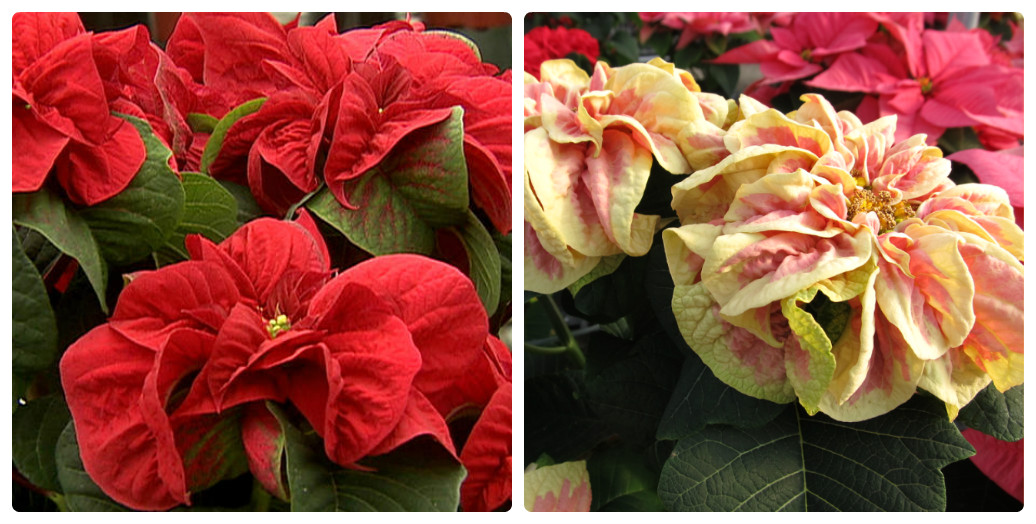
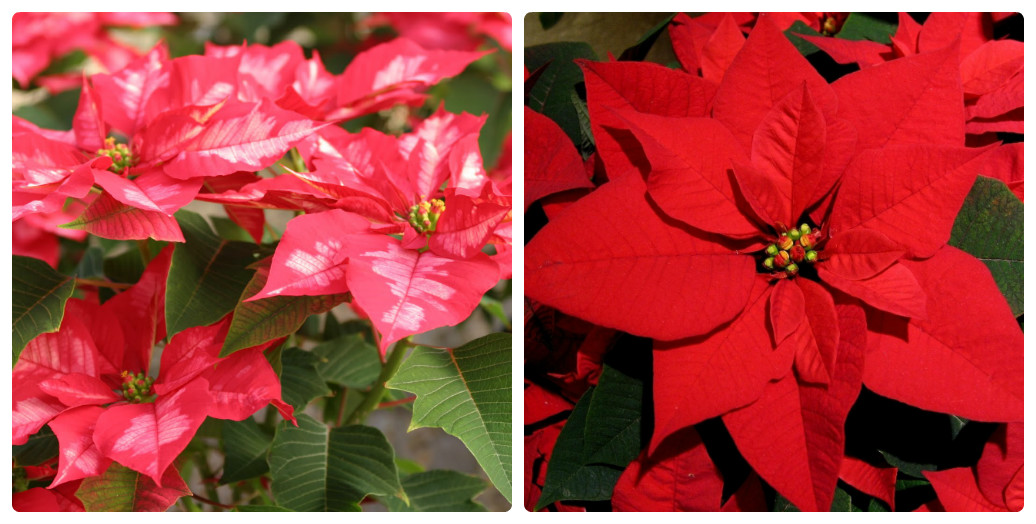
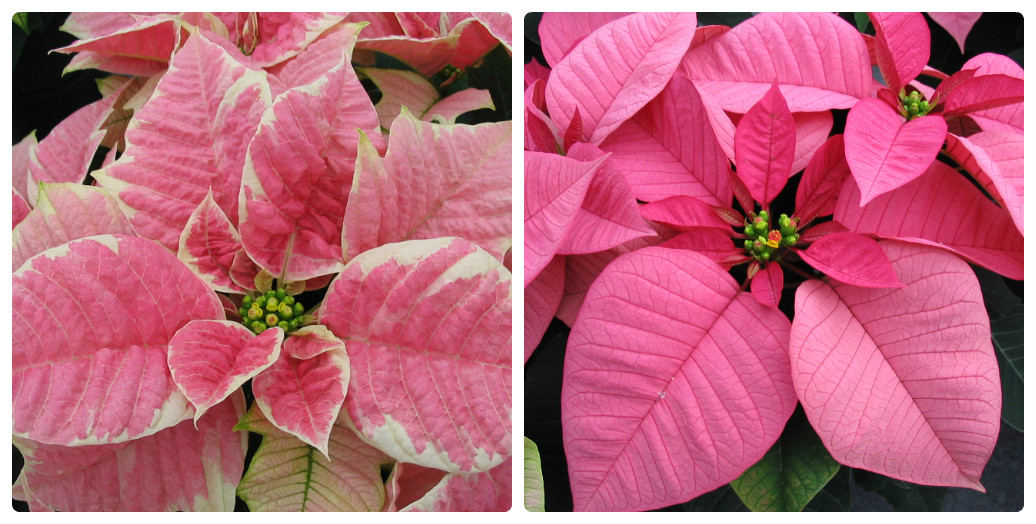
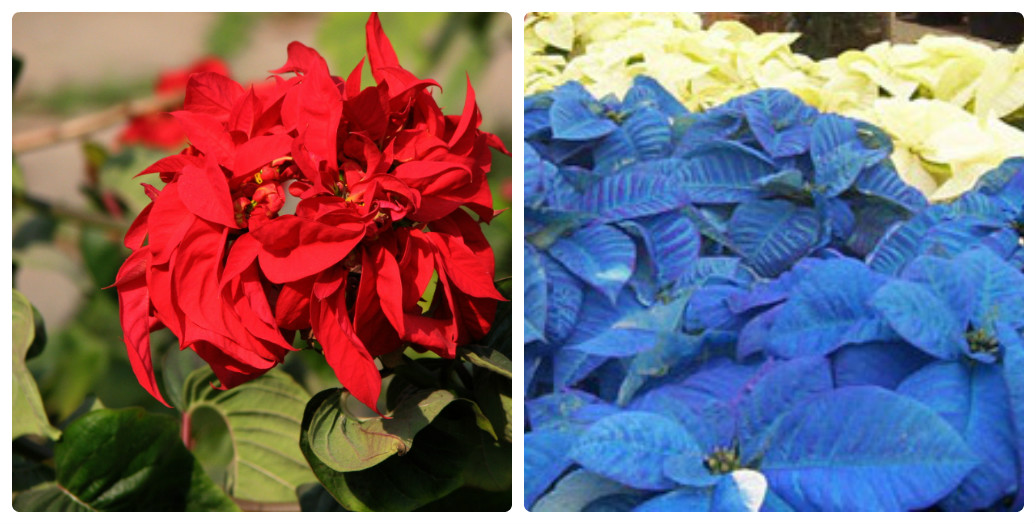
Poinsettias indoors reach up to 60 cm in height. Its leaves are dark green, serrated at the end. The plant blooms with small flowers, brightly colored bracts give originality to the plant, which come in different colors: white, yellow, pink, two-tone and, most popularly, dark red. In its natural environment, poinsettia can be found in the tropics of Central America. But it is successfully grown in many countries in greenhouses for sale.
Attention! Poinsettia juice is poisonous and can irritate the skin and mucous membranes, and its ingestion into the stomach can lead to poisoning, accompanied by diarrhea and vomiting.
Caring for poinsettia during flowering and after flowering is different.
Poinsettia care during flowering
After buying a plant in a store, it needs to be adapted to the new climate. Poinsettia does not tolerate sudden changes in temperature, drafts and cold (it can shed leaves). Put it in a shaded, protected from drafts, place with a moderate temperature (18-20 ° C), keep it for 2 days, and then move it to a permanent place.
Air temperature and light during the flowering period of poinsettia
The brightness of the light should be sufficient, the eastern, western or southern sides of the houses near the window are suitable, direct sunlight is unnecessary for the plant – they can burn the leaves. The air temperature for poinsettia during the flowering period should be at least + 20 – + 22 ° C, but not lower than + 18 ° C .
Watering and humidity of poinsettia during flowering
During flowering, the poinsettia needs to be watered and sprayed frequently, then it will keep its bracts for a long time. It is necessary to water abundantly with warm water, after the topsoil has dried, all excess water from the pan must be drained (water, after watering, should not remain in the plate for more than 30 minutes) so that the soil is not waterlogged. To ensure appropriate humidity, poinsettia should be sprayed with soft (so that there are no streaks) water at room temperature 2 times a day. How to increase humidity?
During flowering, the poinsettia does not need to be transplanted and does not need to be fed.
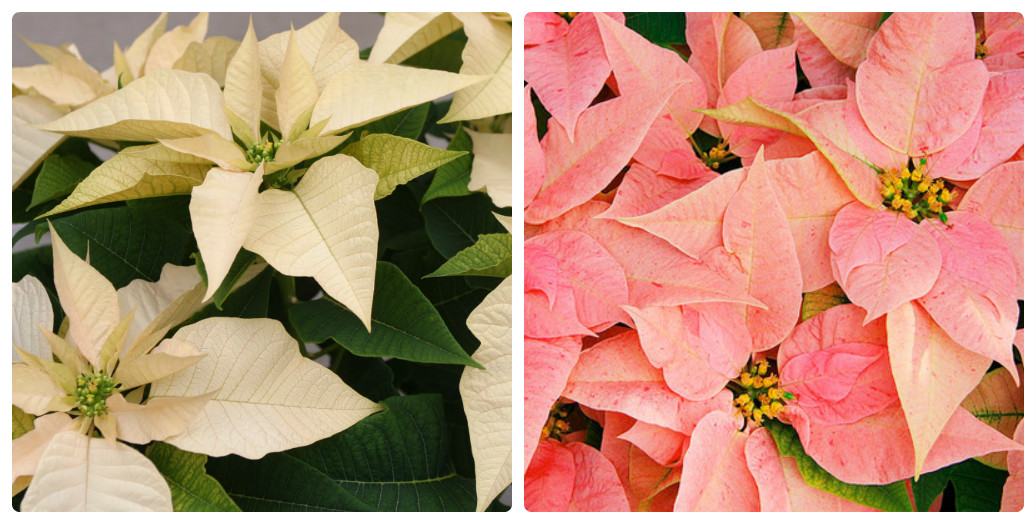
Poinsettia post-flowering care
In most cases, the poinsettia blooms until the end of February, during this period it sheds its leaves and a dormant period begins, most people believe that the plant is dying and throw it away.
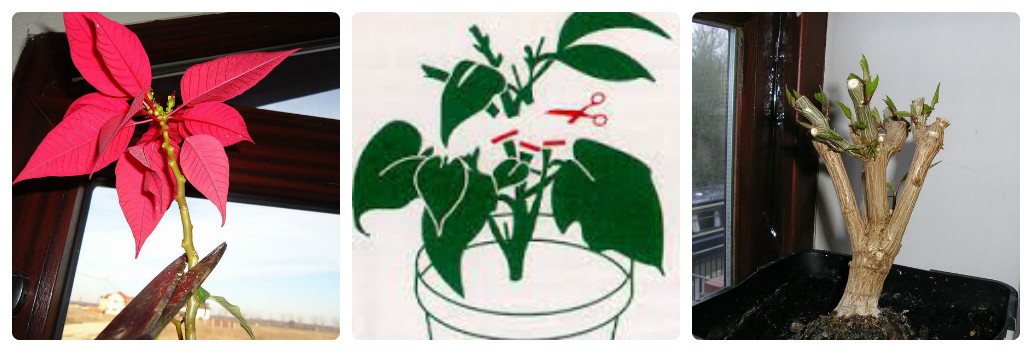
To ensure that the poinsettia has good growth and abundant flowering, it must be cut in half and provide the plant with a shaded, cool place (at least 10° C ); It is necessary to reduce watering, keep in a shaded place until the end of the night spring frosts, then take it out into the open air in the shade.
See also:ORCHIDS – ORCHID CARE
Poinsettia transplant
After flowering, we cut the poinsettia, it is worth transplanting it. The best period for transplanting is May – early June. We choose a pot slightly larger than the previous one. The soil should consist of sod and leafy soil with the addition of peat, sand and humus (3:3:1:1:1), drainage must also be provided.
After transplanting, leave the poinsettia for a while to be accepted. Next, put in a well-lit place (without direct sunlight), water abundantly and begin to feed (2 times in 30 days). The plant will begin to produce lateral shoots, from young shoots (in the phase of 4-6 leaves) you need to select the 4 strongest and most developed, and cut off the rest (use for propagation).
How to make a poinsettia bloom
In early September, move the poinsettia to the room, gradually reduce watering and fertilizing. In order for the poinsettia to bloom and give a large number of bright bracts, from the end of September, the plant needs to reduce daylight hours. To do this, from 18:00 to 8:00, move it to a dark place so that there is no light, or cover it with black polyethylene or black agrofilm. It takes about 2 months to do shading. After that, we put the plant in a bright and warm place, water moderately and provide appropriate humidity. We are waiting for flowering.
Poinsettia propagation
Poinsettia is propagated by cuttings and seeds.
We cut and plant the cuttings as usual, but there is one peculiarity: for 15 minutes you need to put them in water to get juice.
Pests and diseases
Diseases appear with improper care.
Pests that threaten poinsettia: spider mites, scale insects.


