
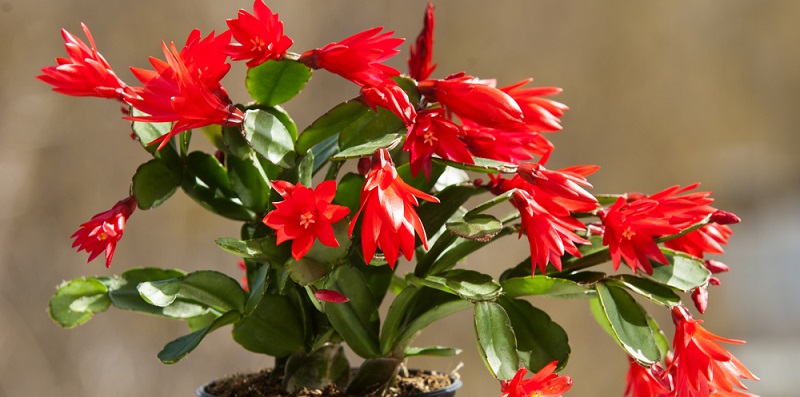
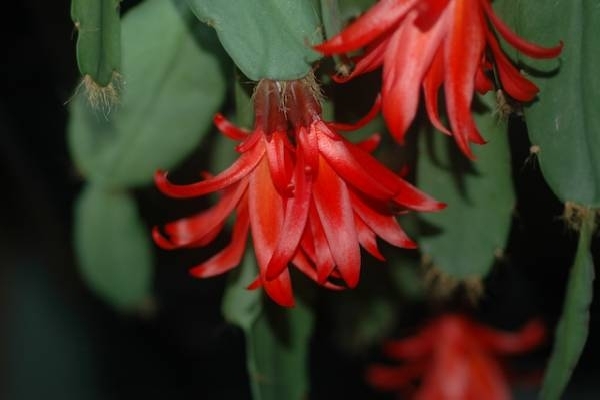
In nature, Hatiora (lat. Hatiora), forest cacti grow in tropical forests on trees, between trees and that is why they differ so significantly from thorny desert cacti. Forest cacti are epiphytic plants. Forest cacti do not have thorns, but have flat stems that are very similar to leaves.
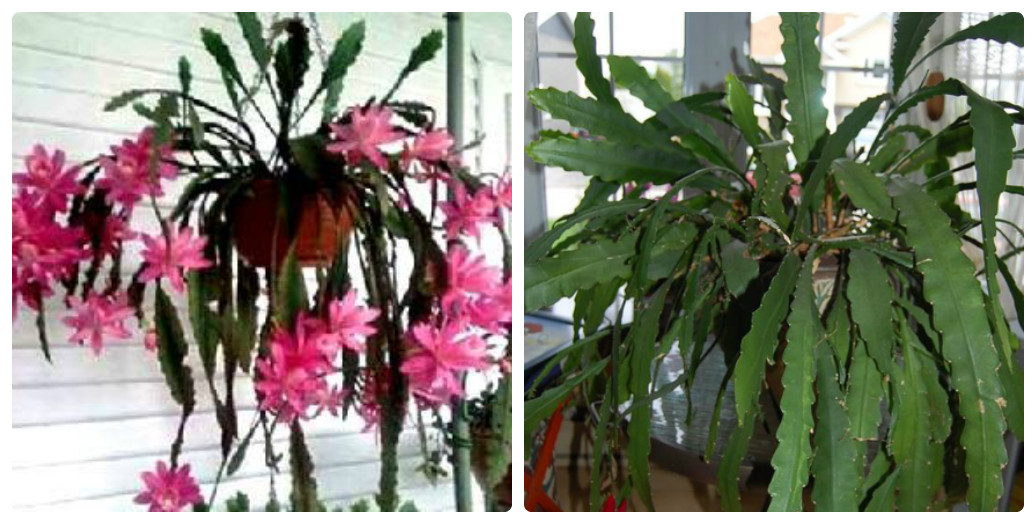
The natural environment for forest cacti (hatiora) is moisture, the air temperature should not be lower than 18 degrees C. Forest cacti bloom. In order for cacti to bloom, they need to provide a permanent place (do not move the pot after buds appear), cool and dry conditions during the dormant period. In summer, they can be taken out into the yard and placed between the trees.
How to care for hatiora
Caring for hatiora is easy. With proper care, forest cacti will bloom every year.
Air temperature and brightness of light for hatiora
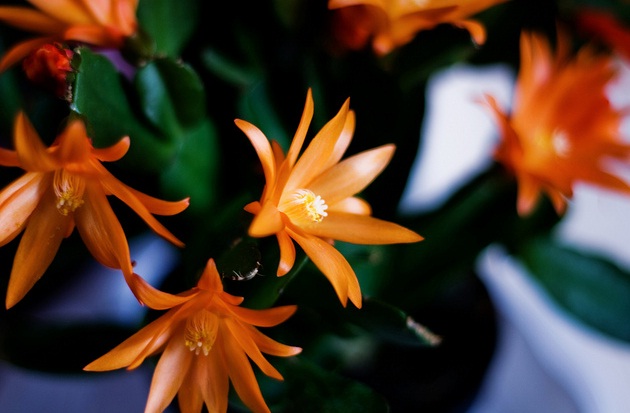
The temperature for cacti should be moderate – 18-22 degrees, during the dormant period – should not exceed 15-17 degrees.
The light should be bright and diffused, without direct sunlight. Epiphilum grows better on the Eastern sides.
Watering and humidity for hatiora
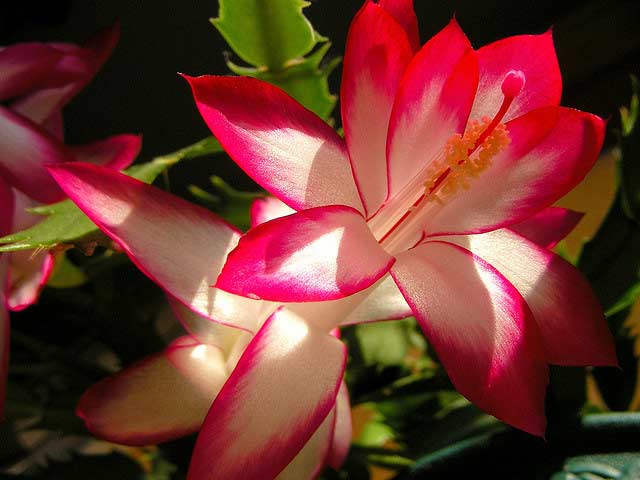
In the spring, hatiora should be watered more often. During the period of active growth, bud formation and flowering, they are watered, like other indoor plants, as the earth dries. Cacti need to be watered with soft and warm water.
Require frequent spraying of leaves.
How to transplant hatiora
Transplanting a hatiora is a great way to rejuvenate the plant; If the cactus has outgrown its pot, it must be transplanted. Every year after the end of flowering, with the exception of Epiphilum (a cramped pot stimulates flowering), the plant should be repotted.
Reproduction of hatiora
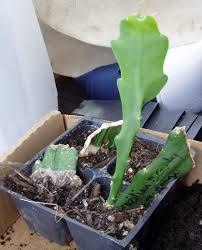
Most species of hatiora reproduce vegetatively in spring or summer. Cuttings are cut from the top of the stem (upper shoot), or lateral shoots, they already have embryonic roots. It is enough to put the shoot in a moist peat-based earthen mixture and after a while they will develop a root system. It is more difficult to propagate cacti that do not have babies. You need to choose a healthy side shoot and carefully cut off with a sterile knife. The cut site needs to be dried – 3-4 days. Next, you can root our cactus in a moist, peat-based substrate.
Types of cacti
Cacti are divided into two groups that differ in appearance and grow in nature in different places – these are desert cacti and forest (tropical). The care of these two groups of cacti is very different.
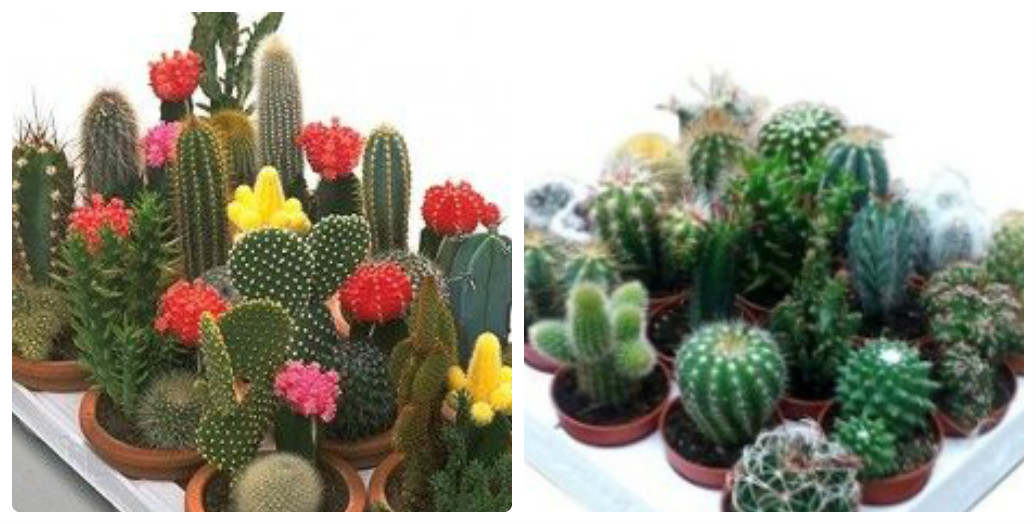
Desert cacti
At home, we grow mostly dwarf desert cacti. They are so small that more than 10 different species can fit on the windowsill, such cacti appeared by the breeding method. These are species such as woolly espola, notocactus, astrophytum, prickly pear, echinopsis, echinocerius, Peruvian cereus, Sylvester Knippel’s chamecereus, comb, Gruson’s echinocactus, dwarf rebutia and many others.
Forest cacti
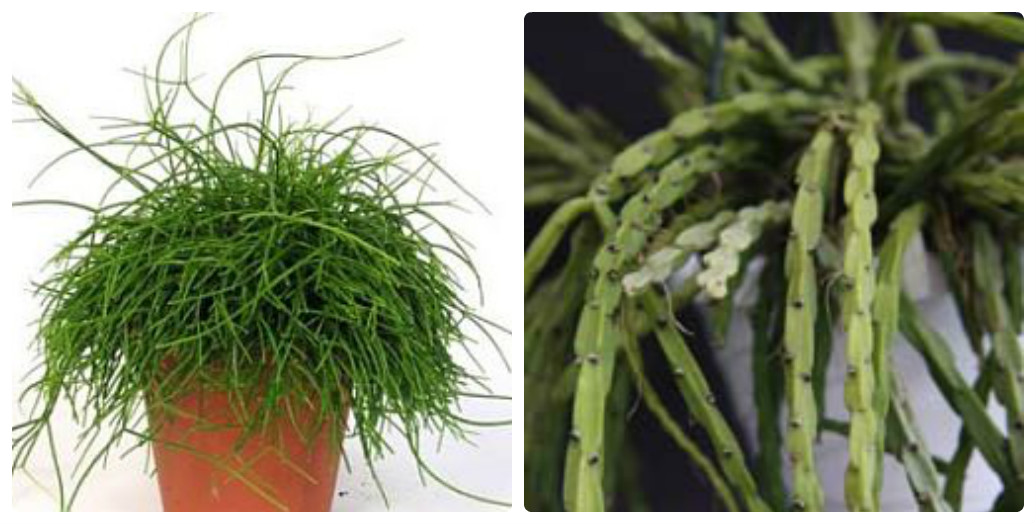
Forest cacti also grow at home, which are completely different from the usual thorny cacti. Under natural conditions, they grow in the tropics on or under trees. These are species such as zygocactus, ripsalidopsis, rilsalis barren, epiphyllum.
Cacti will always be in fashion, because they not only have an exotic appearance, but are also unpretentious and hardy, although they require special care. Proper care is the key to a healthy appearance and bloom of a cactus.


