
Caladium: care and reproduction
October 20, 2015
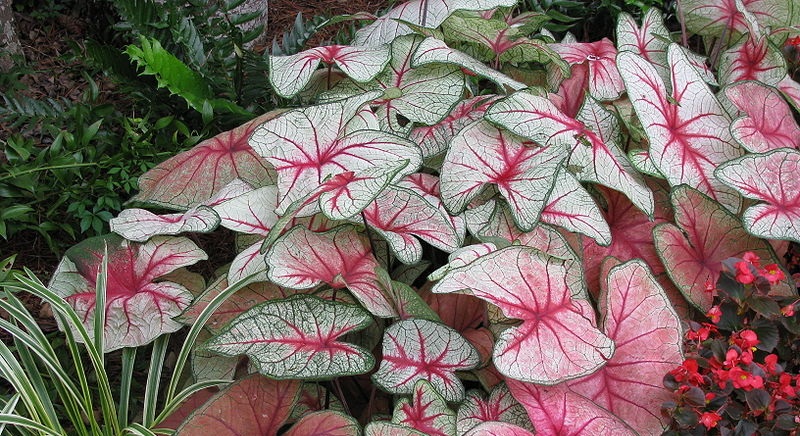
Paper-thin, brightly painted heart-shaped leaves - this amazing plant is called caladium. Caladium is a perennial houseplant with large, bright leaves, belongs to the Aroid family. The roots of the caladium are tuber-shaped, so during dormancy (autumn - winter) the leaves disappear and in the spring new ones grow, which decorate our rooms with bright colors until early autumn.
Gerbera: care and reproduction
October 17, 2015
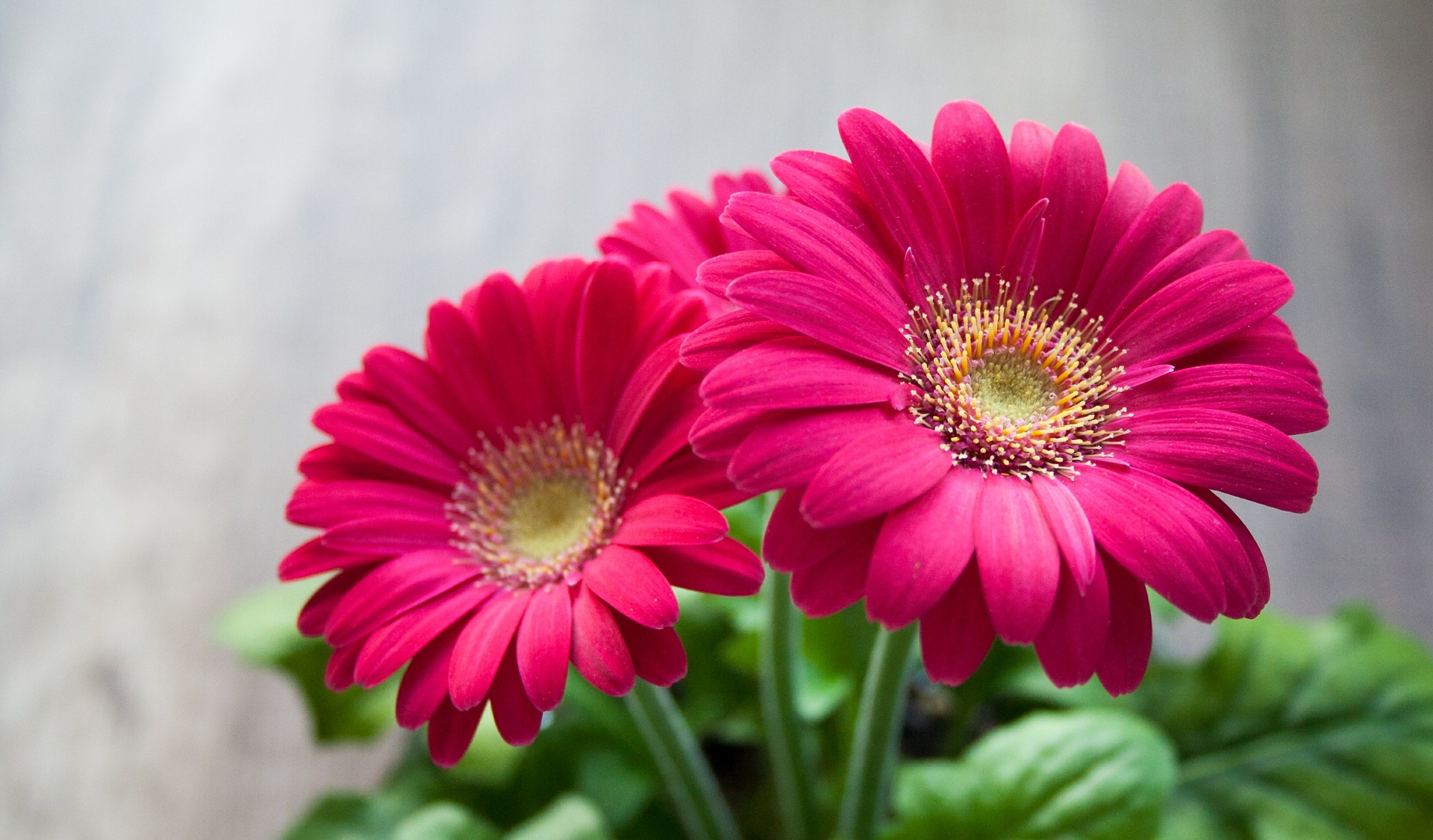
Hebera is a perennial herbaceous plant that forms a basal rosette from which pedicels grow. Gerbera belongs to the Asteraceae family. The shape of gerbera flowers is very similar to chamomile flowers, they are compound-flowered. A peduncle grows from the basal rosette, on a coarse stem and a delicate colorful flower blooms on it.

Poinsettia: care and reproduction
October 17, 2015
Poinsettia (Poinsettia ) is a bushy plant that belongs to the Euphorbiaceae family. The poinsettia is called the "Christmas tree" or "Christmas star", because it blooms in winter, at Christmas.
Features of planting plants in different containers
October 14, 2015
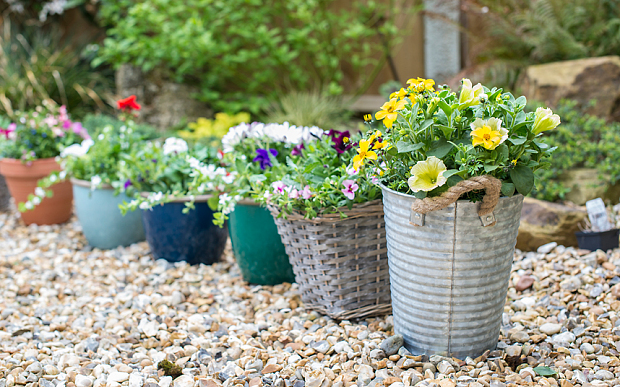
Containers for planting flowers can be made of any materials: ceramics, plastic, rubber, metal or wood. It is mistakenly thought that flowers grow well only in ceramic pots. They grow and bloom well in any containers, you just need to ensure the correct ratio of soil and drainage and use modern and ancient methods of moisture retention - hydrogel and mulching.
What is hydroponics?
October 10, 2015
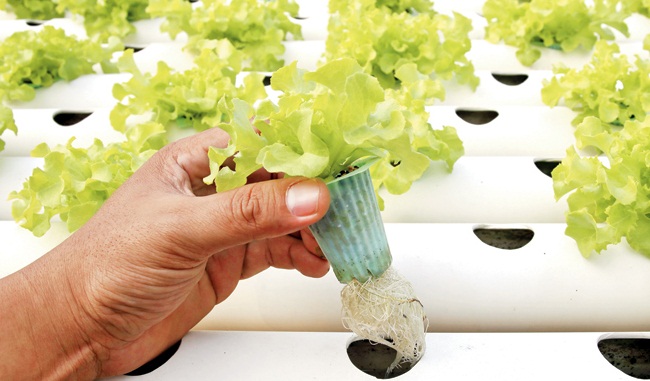
Hydroponics is the cultivation of plants without soil, in which it receives all the necessary nutrients in the right quantities through a solution.
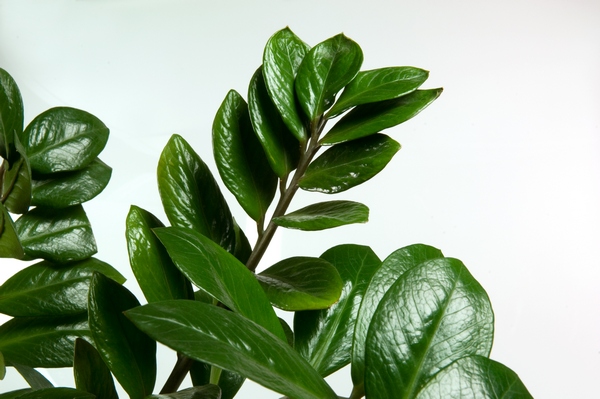
Zamioculcas: care, reproduction
October 10, 2015
Zamioculcas is similar to the "Money Tree" and is therefore popularly called the "dollar tree". The "Money Tree" increases the family's income by attracting hryvnias, and the Zamioculcas, that is, the "Dollar Tree", helps to earn and accumulate dollars.
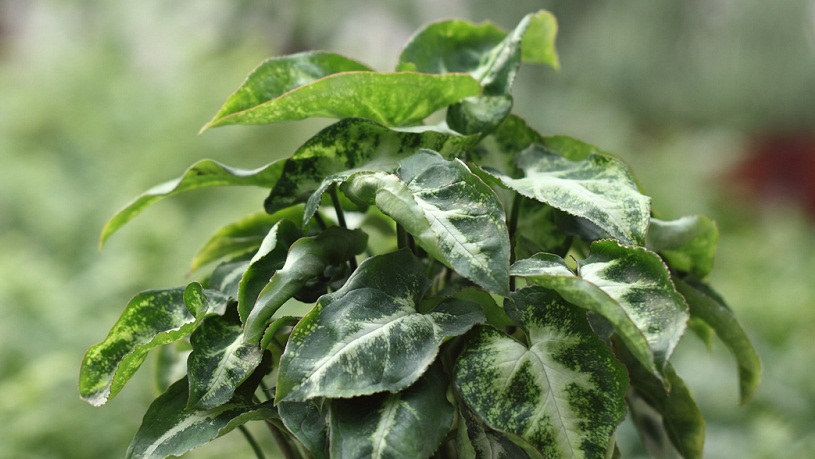
Syngonium: care and reproduction
October 10, 2015
In nature, there are more than thirty species of syngonium, but as a houseplant it is represented by only two or three species.
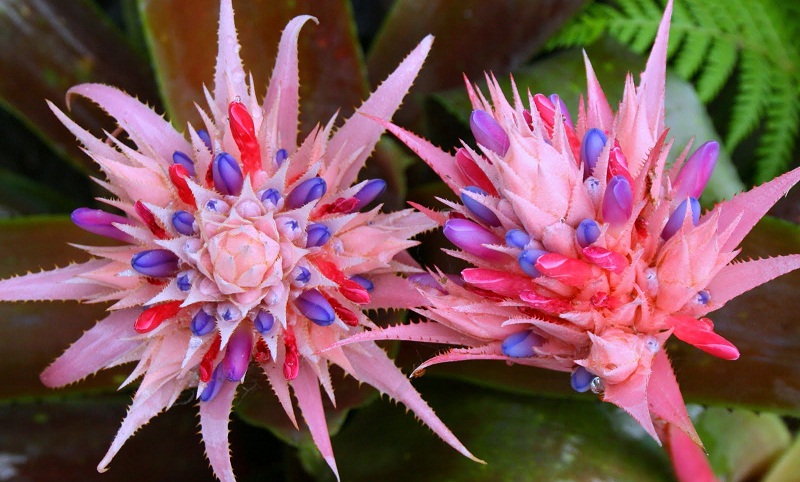
Aechmea – care
October 9, 2015
Aechmea is a perennial ornamental plant from the bromeliad family. The leaves are elongated and have serrated edges, sometimes with thorns, gathered in monochromatic or variegated rosettes depending on the species. The flowers are collected in a complex inflorescence, the peduncle grows from the middle of the rosette.
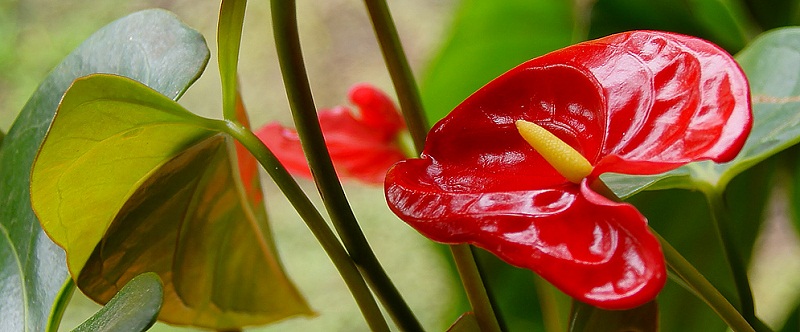
Anthurium. Care and reproduction
October 5, 2015
Anthurium (Anthurium) is a perennial decorative deciduous houseplant, with beautiful flowers, which reaches a height of up to 70 cm, belongs to the Aroid family. In its natural environment, it can be found in the tropical forests of Central and South America. In the natural environment, there are more than 500 species of anthurium.
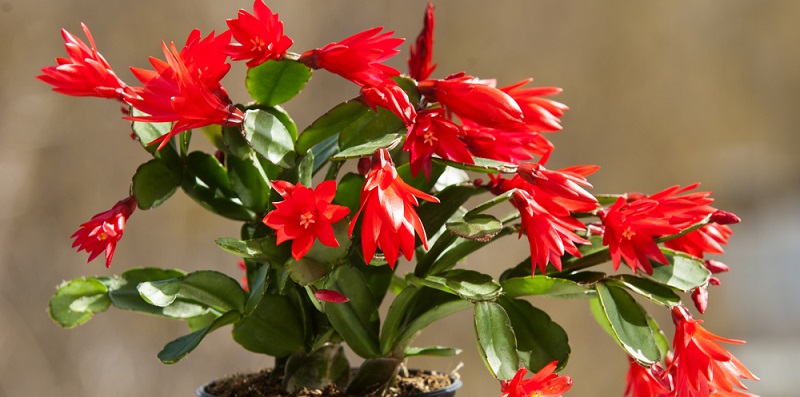
Hatiora (forest cacti) – care, types of cacti
September 16, 2015
In nature, forest cacti grow in tropical forests in trees, between trees and that is why they differ so significantly from thorny desert cacti. Forest cacti are epiphytic plants. Forest cacti do not have thorns, but have flat stems that are very similar to leaves.

